
Utilities are entering an essential stage in how they manage SF₆ and the growing mix of alternative gases. Regulatory expectations are tightening, especially with updates under the EPA’s Subpart DD, and asset fleets are evolving faster than internal procedures can keep up. In 2026, validated competence, not just compliance, will separate proactive utilities from those falling behind.
Industry data shows that over 70% of SF₆ loss events stem from human error, a finding consistent across global T&D reports. With SF₆ carrying a global warming potential 25,200× higher than CO₂, every preventable release impacts environmental performance, operational budgets, and organizational reputation.
For these reasons, SF6 training and formal certification for SF₆ are no longer optional. They are essential components of a resilient safety culture built for modern substations.
What Utilities Must Train For in 2026
A future-proof training curriculum must match the operational realities of today’s grid: mixed-gas fleets, stricter reporting, and a younger workforce stepping into high-risk environments.
SF₆ Safe Handling Fundamentals
Technicians need deep technical understanding, not just procedural familiarity. Training must cover:
- Gas purity and moisture prevention
- Proper evacuation and purification sequences
- Techniques for avoiding particulate contamination
- Gas recovery steps that protect both equipment and personnel
These fundamentals apply to all SF₆ gas-insulated equipment, including SF₆ circuit breakers, SF₆ switchgear, and SF₆ transformers.
Leak Detection & Verification
Leak checks are a major risk point in SF₆ management. Training should reinforce:
- Correct sniffer probe angle and calibration
- Baseline readings using an analyzer
- Soap-test verification at common leak points
- Understanding how micro-leaks affect purity and reporting
Utilities consistently find that up to 30% of leak events could have been prevented with consistent verification techniques.
Alternative Gas Handling
C4/CA systems are changing standard procedures. Technicians must understand:
- Different recovery pressures
- Cylinder labeling and tracking
- Avoiding cross-contamination during maintenance
- Safe handling workflows that support recycling SF₆ programs
As fleets transition, this knowledge becomes essential for reliability and reporting accuracy.
Emergency Response Procedures
A solid training program ensures every technician knows what to do when something goes wrong. That includes:
- Fast, accurate equipment isolation
- Oxygen-displacement awareness
- Proper PPE usage
- Failure documentation aligned with Subpart DD
- Coordinated response with EHS teams
Many incident reviews show that non-uniform training is the leading cause of delayed containment.
Why Formal SF₆ Certification Delivers Measurable Benefits
When utilities invest in accredited training and recurring refreshers, the improvement shows up across operations, emissions, and asset life.
Fewer Incidents & Lower Emissions
One of the most immediate advantages is the reduction of incidents and gas-loss events. Well-trained technicians tend to follow hose-vacuuming procedures, grounding checks, and purity verification steps without shortcuts. As a result, utilities that adopt structured training programs often report 40–60% fewer preventable SF₆ release events. The reduction is not accidental; it comes from disciplined, repeatable habits.
Stronger Compliance
EPA reporting under Subpart DD requires a level of precision that only consistent training can deliver. Certification ensures technicians record gas movement accurately, complete logs consistently, and understand how their actions feed into companywide emissions reporting. This reduces discrepancies during audits and ensures environmental teams have reliable data.
Environmental teams rely on trained technicians to protect the data trail.
Higher Productivity & Lower Total Cost of Ownership
From a cost perspective, training directly affects a utility’s total cost of ownership. Gas wasted during filling, recovery, or leak investigation adds up quickly, especially when SF₆ prices fluctuate. Utilities that standardize training often see meaningful savings through reduced rework, fewer emergency callouts, and better protection of high-voltage switchgear. Some organizations report five-figure annual savings from avoided gas-loss events alone.
CEUs & PDHs Strengthen Workforce Standards
Finally, formal credentials such as CEUs or PDHs strengthen workforce standards. They create a record of competence that supports OSHA policies, contractor qualification programs, and internal audits. Certification becomes a verifiable indicator that a technician can handle high-risk tasks safely and consistently.
Where Utilities Are Taking Training Further in 2026
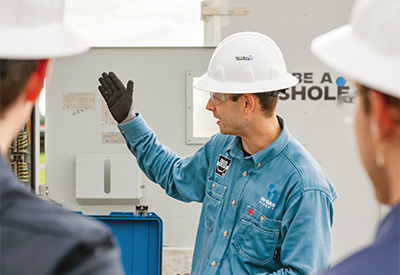
While virtual and on-site programs remain critical, many utilities are accelerating learning by sending teams to immersive, multi-day training environments where instruction, hands-on practice, and peer discussion happen together.
This approach allows technicians, engineers, and managers to:
-
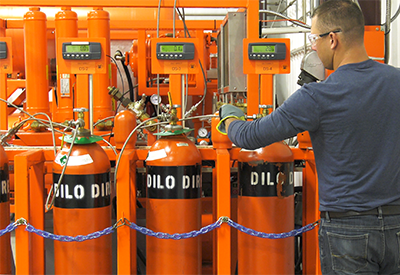
Train on real equipment with expert oversight
-
Compare procedures across utilities
-
Reinforce correct habits through repetition
-
Earn CEUs while engaging in scenario-based learning
For many organizations, these concentrated experiences are proving more effective than fragmented training spread across the year.
From Compliance to Culture: Embedding Skills on the Job
Training creates the foundation—but culture keeps it alive. Successful utilities reinforce daily routines that protect SF₆ purity and employee safety, use job aids to reduce cognitive load, build mentorship into workforce development, and track KPIs such as leak-rate improvement and reduced gas-loss events. When leadership ties training outcomes to measurable performance improvements, certification becomes a strategic asset rather than a checkbox.
Conclusion
In 2026, utilities face an industry defined by stricter regulations, expanding alternative gases, and rising expectations for environmental performance. Formal Certification for SF₆ handling provides the skills, structure, and repeatability needed to meet these demands.
For utilities looking to accelerate learning and maximize impact, immersive training events bring these elements together in one place—combining expert instruction, hands-on practice, regulatory insight, and peer exchange.
Ready to prepare your team for 2026?
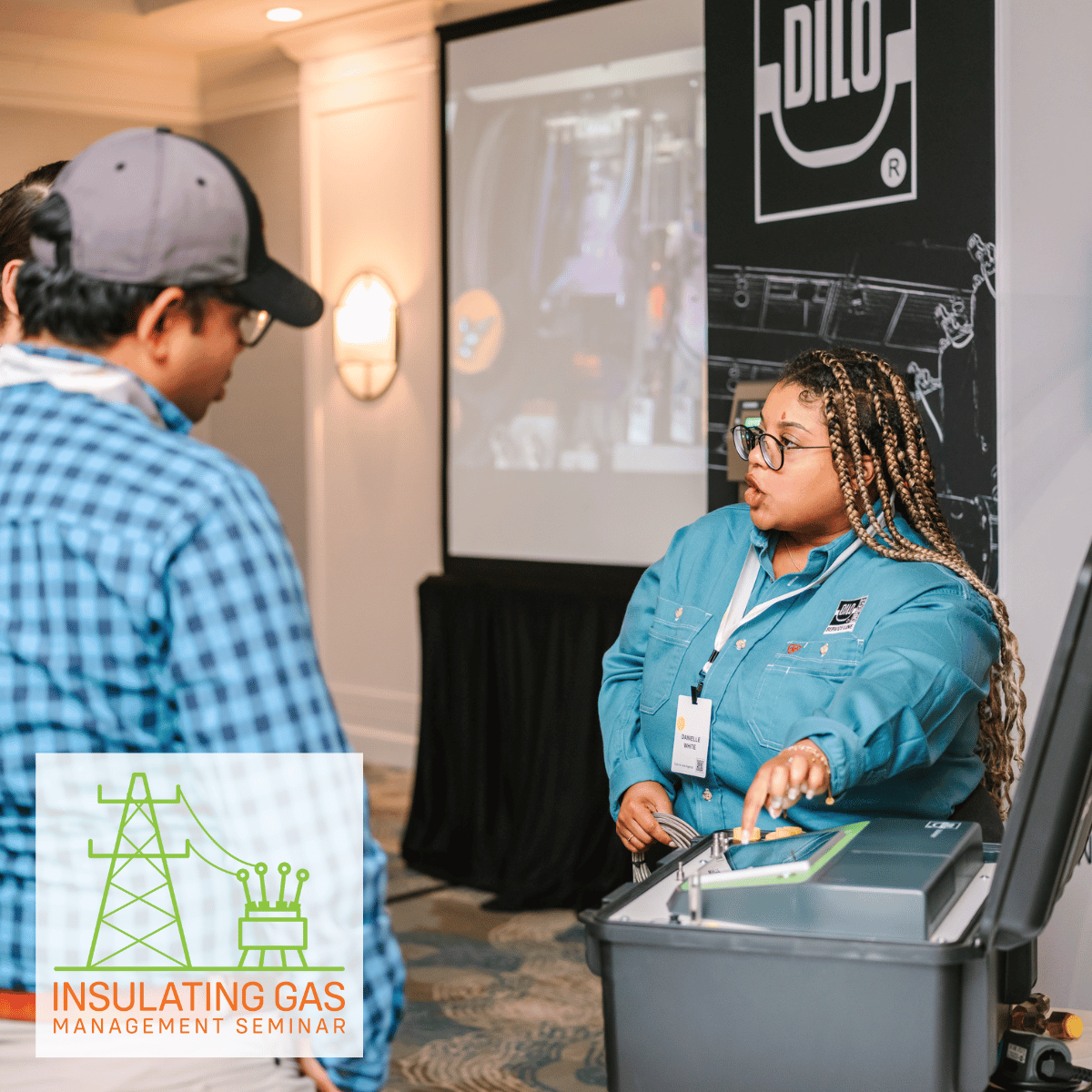
Register for the Insulating Gas Management Seminar (IGMS)—DILO’s premier hands-on training event for SF₆ and alternative gas handling professionals.
At IGMS, your team will:
-
Earn CEUs through IACET-accredited sessions
-
Participate in live, hands-on break-out training
-
Learn best practices for SF₆, alternative gases, and compliance
-
Connect with peers facing the same operational challenges