
SF₆ gas filling is a safety-critical task in high-voltage substations and industrial power systems, directly impacting equipment performance, personnel safety, and environmental compliance. The risks increase in high-risk areas such as elevated porcelain insulators, confined switchgear, and aging installations. This guide explains what SF₆ gas filling entails, why controlled procedures and specialized equipment are essential, and how remote filling methods enhance safety, control, and compliance in challenging environments.
What Is SF₆ Gas Filling and Why Does It Matter
SF₆ gas filling is the controlled process of introducing sulfur hexafluoride gas into sealed high-voltage equipment to achieve the specified operating pressure or density. The goal is to ensure sufficient dielectric strength and arc-quenching capability for safe and reliable operation.
Correct SF₆ gas filling is essential because under-filling compromises insulation performance, while over-filling can stress enclosures and seals. In high-risk areas, improper filling can also lead to mechanical damage, gas leakage, or dangerous exposure to pressurized gas.
From a system reliability perspective, accurate SF₆ gas filling directly impacts insulation margins, switching performance, and long-term equipment life. From a safety and environmental standpoint, it determines whether technicians remain protected and whether SF₆, an extremely potent greenhouse gas, is handled responsibly.
SF₆ Gas: Properties, Uses, and Risks
SF₆ gas is widely used in high-voltage equipment because of its exceptional dielectric strength, thermal stability, and chemical inertness under normal operating conditions. These properties make it highly effective for insulation and arc extinction in compact designs where air insulation would be impractical.
Typical applications include gas-insulated switchgear, circuit breakers, gas-insulated busbars, and porcelain-housed components such as bushings and insulators. In porcelain insulators, SF₆ gas allows high electrical performance while maintaining mechanical strength, but it also introduces unique filling challenges due to the brittle nature of porcelain and the risk of micro-cracks.
Despite its technical advantages, SF₆ carries significant risks. Environmentally, it has an extremely high global warming potential and persists in the atmosphere for thousands of years. From a health and safety perspective, SF₆ is non-toxic but can displace oxygen in confined spaces, creating an asphyxiation hazard. Under arcing or high-temperature conditions, SF₆ can decompose into toxic by-products such as hydrogen fluoride (HF) and sulfur dioxide (SO₂), which require strict handling controls.
These risks are amplified in high-risk filling environments, making preparation and procedure discipline essential.
Preparing for SF₆ Gas Filling in High-Risk Areas
Safe SF₆ gas filling begins long before any hose is connected. Preparation starts with a thorough risk assessment that considers both the physical environment and the equipment being serviced.
High-risk zones typically include elevated components, porcelain insulators with visible aging or fine cracks, confined switchgear rooms, and installations with limited ventilation or access. Each of these conditions increases the potential consequences of a filling error or gas release.
Ventilation planning is especially important. In enclosed spaces, forced ventilation may be required to prevent oxygen displacement and to disperse any accidental gas release. Access planning ensures that technicians can maintain safe distances, particularly when remote filling techniques are used.
Clear communication and emergency procedures must be established before work begins. All personnel should understand evacuation routes, emergency shutdown actions, and how to respond to alarms from portable gas detectors or remote monitoring systems.
Equipment Checklist for SF₆ Gas Filling
The reliability and safety of SF₆ gas filling depend heavily on the quality and suitability of the equipment used. A proper setup includes filling devices, recovery tools, and safety monitoring instruments designed specifically for SF₆ gas handling.
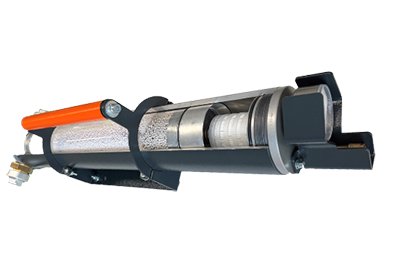
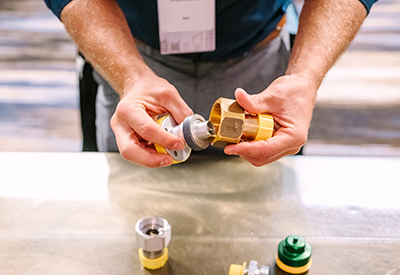
Core filling equipment includes an SF₆ gas filling device, compatible filling kits, high-pressure hoses, certified seals, digital pressure gauges, and pressure regulators. Adapter compatibility is critical, particularly when connecting to porcelain-housed components or older equipment designs. This is where SF₆ gas filling and testing adapter kits play an important role, ensuring secure, leak-free connections between cylinders, filling systems, and equipment valves.
Gas recovery and handling tools are equally important. A gas recovery unit, vacuum pump, and approved gas cylinders are required to evacuate air and moisture before filling and to capture excess gas afterward. In high-risk areas, recovery capability is not optional; it is a core safety and environmental requirement.
Safety monitoring equipment should include portable gas detectors capable of detecting SF₆ and monitoring oxygen levels. These devices provide early warning of leaks or unsafe atmospheric conditions during filling operations.
For large-scale or complex operations, integrated solutions such as SF₆ service card combine filling, recovery, evacuation, and monitoring functions into a single controlled system, reducing manual handling and improving process consistency.
The SF₆ Gas Filling Procedure: Step by Step
Once preparation and equipment checks are complete, the filling procedure can begin. In high-risk areas, strict adherence to sequence and control is essential.
Before filling, the equipment must be de-energized, grounded, and mechanically secured. Air and moisture are then evacuated using a vacuum pump, typically targeting pressures below 1 mbar. This step is critical to prevent internal condensation, dielectric degradation, and chemical reactions inside the equipment.
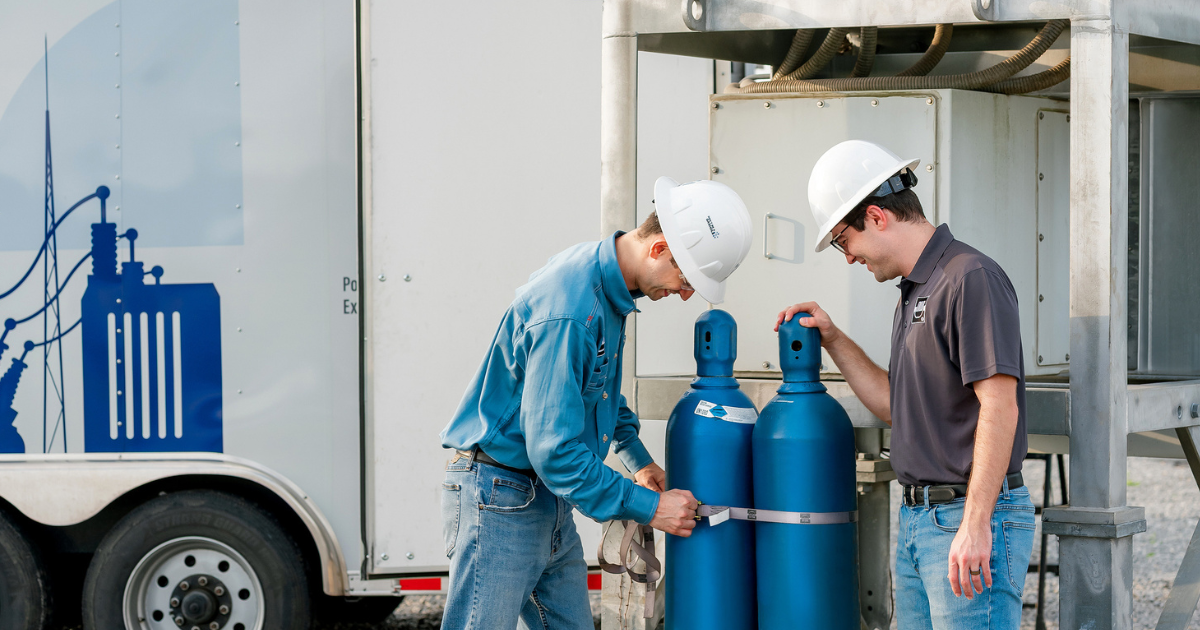
The SF₆ cylinder should be checked for purity and identification before connection. Hoses are connected using certified adapters, pressure regulators, and pressure gauges. Whenever possible, hoses should be purged with dry nitrogen to remove residual air and moisture.
Controlled filling is performed slowly to avoid temperature shock and mechanical stress, particularly in porcelain insulators. The target pressure or density is defined by the equipment manufacturer and must be monitored continuously. Filling rates should remain stable, with adjustments made through the pressure regulator rather than abrupt valve operations.
After reaching the target value, gas recovery systems are used to capture any excess gas in hoses or fittings. Leak testing is then performed using gas detectors to confirm that acceptable leakage rates are met in accordance with applicable standards.
Finally, all relevant parameters, including pressure, vacuum level, gas purity, date, operator name, and equipment used, should be documented. Proper documentation supports traceability, maintenance planning, and regulatory compliance.
Remote SF₆ Gas Filling Methods for High-Risk Areas
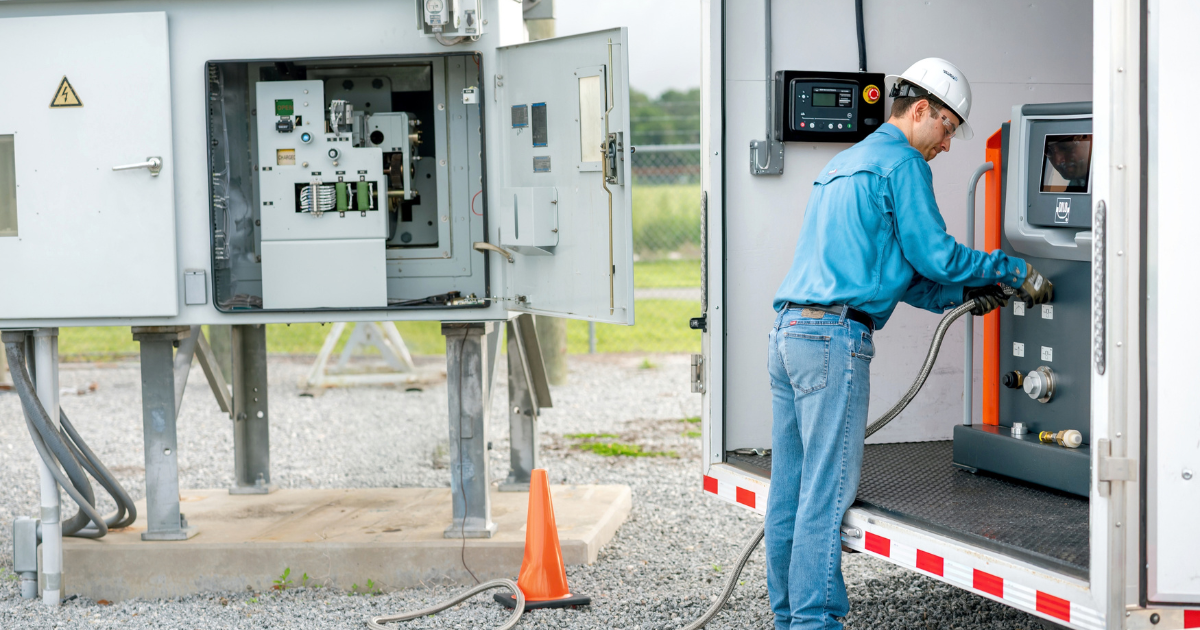
Remote SF₆ gas filling has become an increasingly important solution for high-risk environments. Remote commissioning units allow filling operations to be controlled from safe distances, often up to 100 meters, using tablets or smartphones.
These systems automate pressure control, monitor filling parameters in real time, and provide alarms if conditions deviate from defined limits. By removing personnel from immediate proximity to pressurized equipment or elevated porcelain components, remote filling significantly reduces exposure to mechanical, chemical, and environmental hazards.
Beyond safety, remote systems improve process consistency. Automated pressure compensation, controlled filling rates, and continuous data logging reduce the risk of human error and make it easier to demonstrate compliance with internal procedures and regulatory requirements.
Best practice includes testing remote communication links before filling begins, verifying fail-safe alarms, and ensuring that manual override options are available if needed.
Safety Protocols and PPE Requirements
Even with advanced equipment and remote systems, personal protective equipment remains essential. Technicians should wear chemical-resistant gloves, safety goggles, and protective clothing. Respiratory protection may be required in confined spaces or when working near equipment with a history of arcing.
Ventilation must be maintained throughout the filling process, particularly in enclosed areas. Any indication of oxygen depletion or gas leakage should trigger immediate suspension of work.
Handling decomposition by-products requires additional caution. Filling should never be performed near active arcs or energized components, as high temperatures can lead to the formation of toxic gases. If decomposition is suspected, specialized procedures and protective measures must be applied.
Post-Filling Actions and Environmental Compliance
After filling, pressure stabilization checks should be performed to confirm that values remain within acceptable limits once temperatures equalize. Periodic leak testing should follow, with annual inspections considered a minimum for most installations.
SF₆ gas recovery and recycling are critical for environmental compliance. Venting SF₆ gas to the atmosphere is not permitted under most regulatory frameworks. Instead, gas should be recovered, purified if necessary, and stored in approved cylinders for reuse or proper disposal. A comprehensive overview of responsible handling practices is available in this guide on SF₆ Gas Recovery & Refilling.
Tools and Equipment Selection Considerations
When selecting SF₆ gas filling equipment, buyers should prioritize precision, compatibility, and safety features. Equipment should be rated for the operating pressures involved, compatible with existing valves and fittings, and designed for easy maintenance and calibration.
The operating environment matters as well. High-risk areas may require equipment with extended hose lengths, remote control capability, or enhanced sealing systems. Regular maintenance and calibration ensure that filling devices, pressure gauges, and regulators continue to perform accurately over time.
SF₆ gas filling in high-risk areas demands more than routine procedures. It requires careful planning, specialized equipment, and a strong focus on safety and environmental responsibility. By following structured filling procedures, using appropriate gas handling tools, and adopting remote filling methods where possible, organizations can significantly reduce risk while maintaining high operational standards.
Training, documentation, and continuous improvement play a vital role in ensuring that SF₆ gas filling remains safe, precise, and compliant, especially when working with porcelain insulators and other vulnerable high-voltage components.

WRITTEN BY
DILO Team