
As utilities adopt alternative insulating gases, accurate moisture measurement has become more complex. C4-FK gas mixtures behave differently from SF₆, particularly when it comes to dew-point testing. Incorrect measurement techniques can lead to false readings, unnecessary maintenance, or overlooked contamination.
This article explains how to measure moisture accurately in C4FK gas, why traditional dew-point methods can fail, and which tools and procedures ensure reliable results in high-voltage applications.
What Is C4-FK Gas and Its Role in Modern Industry
C4-FK gas refers to fluoroketone-based insulating gas mixtures used in high-voltage equipment. These mixtures are often blended with carrier gases such as air, nitrogen, or CO₂ to achieve the required dielectric strength.
C4-FK gas mixtures are commonly used in:
- Gas-insulated switchgear (GIS)
- High-voltage circuit breakers
- Compact substations
- Industrial insulation systems
Compared to SF₆, fluoroketone-based alternatives offer dramatically reduced greenhouse gas impact. With increasing regulatory focus on greenhouse gas emissions, alternative gas technologies are gaining traction across transmission and distribution networks.
However, moisture control is critical. Even trace levels of water vapor can affect dielectric strength and long-term equipment reliability.
Moisture & Dew Point in Gas Mixtures
Moisture in insulating gas is typically expressed in two ways:
- Parts per million by volume (ppmv)
- Dew point temperature (°C or °F)
Dew point represents the temperature at which water vapor condenses into liquid under specific pressure conditions. Extremely dry gases correspond to very low dew-point temperatures.
Standard ASTM methods relate dew points as low as −110 °C (−166 °F) to extremely low moisture content in compressed gases, demonstrating how trace ppm levels correspond to very low dew-point values.
Understanding this relationship is essential when performing C4 FK gas dew point testing.
What Makes C4-FK Gas Different from Other Insulating Gases?
C4-FK mixtures differ significantly from SF₆ and other legacy insulating gases in terms of thermodynamic behavior.
Fluoroketone components have higher boiling points compared to SF₆. This creates a unique challenge during dew-point measurement. If the measurement system cools the gas excessively, components of the C4-FK mixture may condense before water vapor does.
In simple terms:
- The instrument may detect condensation, but it may not be water.
- This can result in falsely elevated moisture readings.
- Because of this behavior, dew point measurement for C4 FK gas requires a different technical approach than standard SF₆ testing.
How Moisture Affects the Performance of C4-FK Mixtures
Moisture can impact C4-FK gas mixtures in several ways.
- Reduced dielectric strength
- Increased risk of internal flashover
- Accelerated aging of solid insulation
- Potential formation of acidic byproducts
In high-voltage GIS and circuit breakers, maintaining low moisture content is critical to ensuring insulation reliability.
Moisture levels that might appear minor in ppm terms can significantly affect performance in high-stress environments.
Why Standard Dew-Point Sensors Can Give False Readings
Traditional chilled mirror dew-point meters operate by cooling a surface until condensation forms. Optical systems detect the onset of condensation and calculate the dew point.
While this method is highly accurate for many gases, it can create complications in C4-FK gas mixtures.
Because fluoroketone components may condense at higher temperatures than water vapor under certain pressure conditions, the instrument may detect fluoroketone condensation instead of moisture.
This produces a false dew-point reading.
The National Institute of Standards and Technology outlines various dew-point measurement methods and highlights the importance of matching measurement techniques to gas properties.
In C4-FK mixtures, inappropriate sensor selection is one of the most common causes of misleading data.
Can Regular SF₆ Moisture Testers Work on C4-FK Gas?
Not reliably.
Many SF₆ moisture testers are calibrated specifically for the thermodynamic properties of SF₆. When used with C4-FK mixtures, sensor behavior may not reflect actual moisture levels.
This is especially true for instruments that rely solely on chilled-mirror technology without compensation for mixture characteristics.
Using legacy SF₆ equipment for C4 FK gas moisture analysis increases the risk of:
- False high readings
- Unnecessary gas recovery
- Incorrect maintenance decisions
Specialized instruments designed for alternative gases are recommended.
What Type of Sensor Should Be Used for Accurate Measurement?
Electronic capacitive moisture sensors calibrated specifically for C4-FK gas mixtures are generally preferred in field applications.
Capacitive sensors measure changes in dielectric properties caused by water vapor, rather than relying on visible condensation. When properly calibrated, they avoid fluoroketone condensation interference.
Spectroscopic methods may also be used in laboratory settings, offering high precision for certification testing.
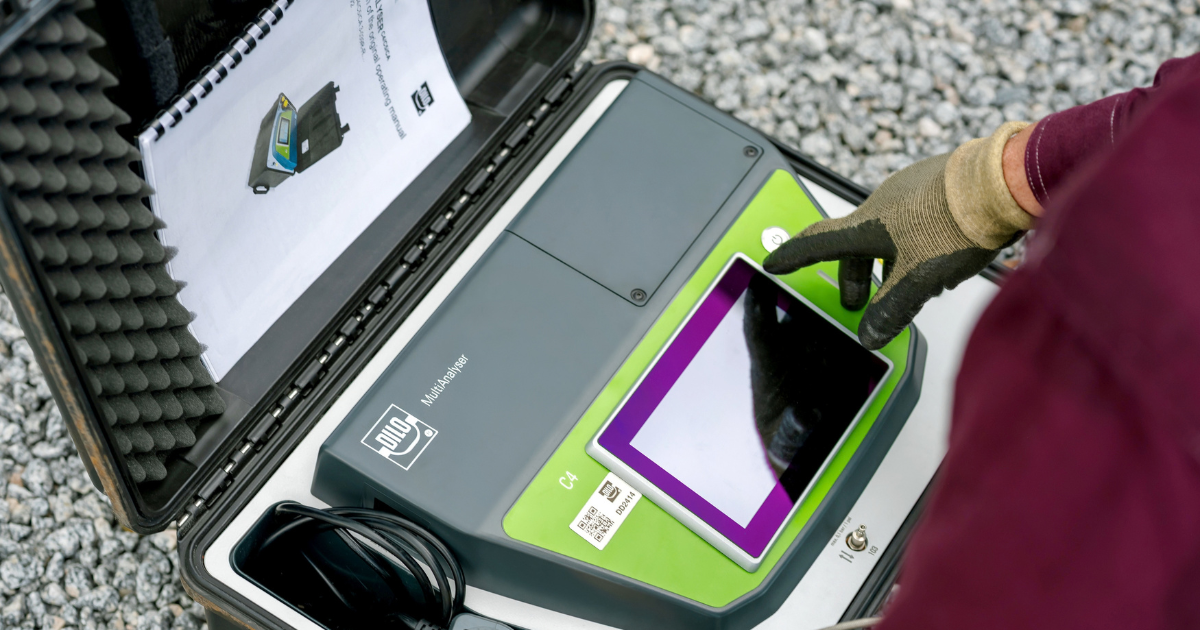
For field applications, multi-parameter gas analyzers that integrate moisture measurement, gas composition, and oxygen detection provide a comprehensive solution.
Instrumentation & Tools for Reliable Testing
Modern gas analyzers designed for alternative gases offer several advantages.
Pumpback analyzers allow gas to be returned to the equipment after testing, preventing emissions and maintaining pressure stability. Multi-parameter systems measure:
- Moisture (dew point or ppm)
- Gas concentration
- Oxygen content
- Contaminants
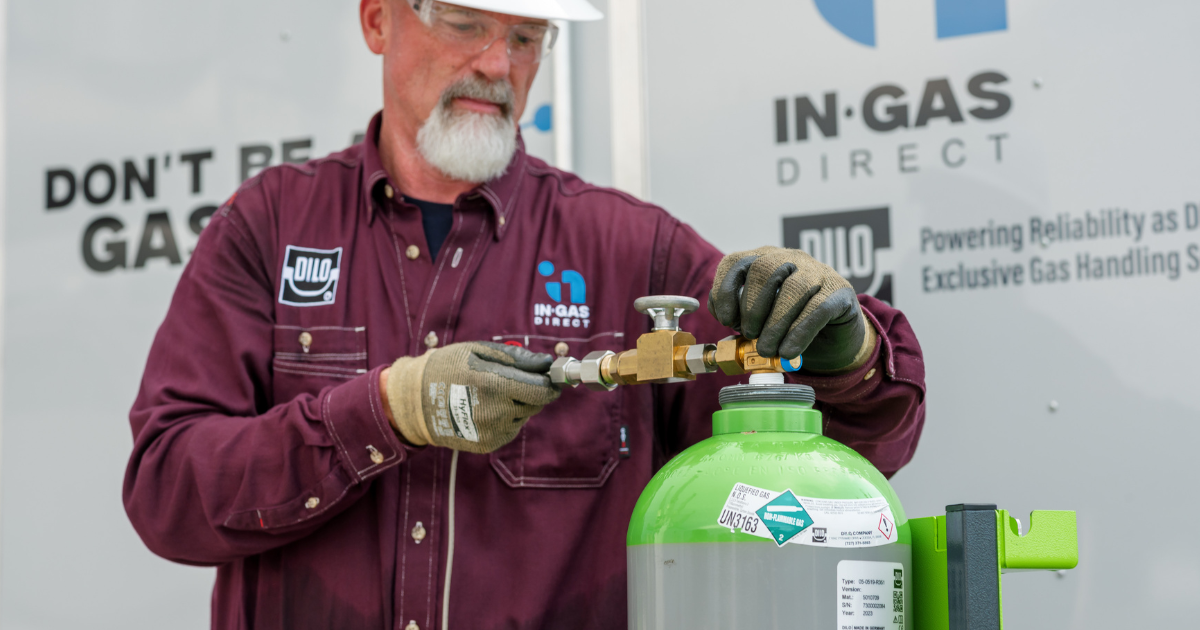
For larger installations or service operations, DILO’s dedicated Unit for Recovery of Gas Mixtures enables safe recovery and handling of C4-FK mixtures during maintenance or corrective action.
DILO’s broader C4/C5 Product Line includes service carts, recovery units, and gas handling systems engineered specifically for fluoroketone and fluoronitrile mixtures.
These systems ensure accurate sampling conditions and protect measurement integrity.
Comparative Analysis of Moisture Measurement Methods
Different measurement approaches offer distinct advantages and limitations.
Capacitive sensors provide fast response times and are suitable for field testing when calibrated correctly. They are less susceptible to fluoroketone condensation interference.
Chilled mirror sensors offer very high precision but may produce false readings if condensation occurs from the gas mixture itself rather than water vapor.
Spectroscopic methods provide laboratory-grade accuracy but require specialized equipment and controlled environments.
For most high-voltage maintenance teams, calibrated electronic moisture sensors integrated into multi-gas analyzers offer the best balance between accuracy, portability, and practicality.
Application Tips & Field Considerations
Accurate moisture measurement requires more than selecting the right sensor.
The sampling technique is equally important.
Before testing:
- Purge the sampling line to remove residual air
- Ensure fittings are leak-free
- Avoid exposure to ambient humidity
- Use compatible tubing materials
Contamination introduced during sampling is a common source of false dew-point readings.
Portable analyzers such as the DILO C4/C5 Multi-Analyzer are used for quick multi-gas checks in the field. While third-party tools may assist with rapid screening, final verification should align with manufacturer recommendations for C4-FK gas mixtures.
Integrating moisture checks into preventive maintenance schedules reduces the risk of insulation degradation and supports long-term reliability.
How Often Should Moisture Levels Be Checked?
Monitoring frequency depends on application criticality and operating conditions.
Recommended intervals include:
- During commissioning
- After gas filling or recovery
- Following maintenance activities
- As part of scheduled preventive maintenance
High-voltage installations may require periodic verification even in the absence of faults.
Trending moisture levels over time provides better insight than relying on isolated readings.
What Are Typical Acceptable Moisture Levels for C4-FK Gas?
Acceptable levels vary depending on equipment design and manufacturer specifications.
In general, extremely dry conditions are required. Dew-point values often correspond to very low ppm moisture content, reflecting the insulation sensitivity of high-voltage systems.
Always consult OEM guidance for exact thresholds, but maintaining consistently low moisture levels is essential for preserving dielectric performance.
Accurate moisture measurement in C4 FK gas mixtures is more complex than traditional SF₆ testing. The unique thermodynamic behavior of fluoroketone components can interfere with conventional chilled mirror dew-point meters, leading to false readings.
Understanding the relationship between moisture content and dew point, selecting calibrated electronic sensors, and applying proper sampling procedures are critical to preventing misinterpretation.
Reliable C4 FK gas moisture analysis ultimately protects insulation performance, improves operational safety, and reduces unnecessary maintenance interventions.
Ensure Accurate Handling and Recovery of C4-FK Gas
Accurate measurement is only part of the equation. Safe recovery, conditioning, and reinjection of C4-FK gas mixtures require specialized equipment engineered for alternative gases.
DILO’s advanced Unit for Recovery of Gas Mixtures and comprehensive C4/C5 Product Line are designed specifically to support maintenance teams working with fluoroketone and fluoronitrile mixtures.
Explore DILO’s alternative gas handling solutions to ensure accurate measurement conditions, safe gas recovery, and long-term reliability in your high-voltage systems.

WRITTEN BY
DILO Team